
MAKE IT REAL. TURN IT BEAUTIFUL.
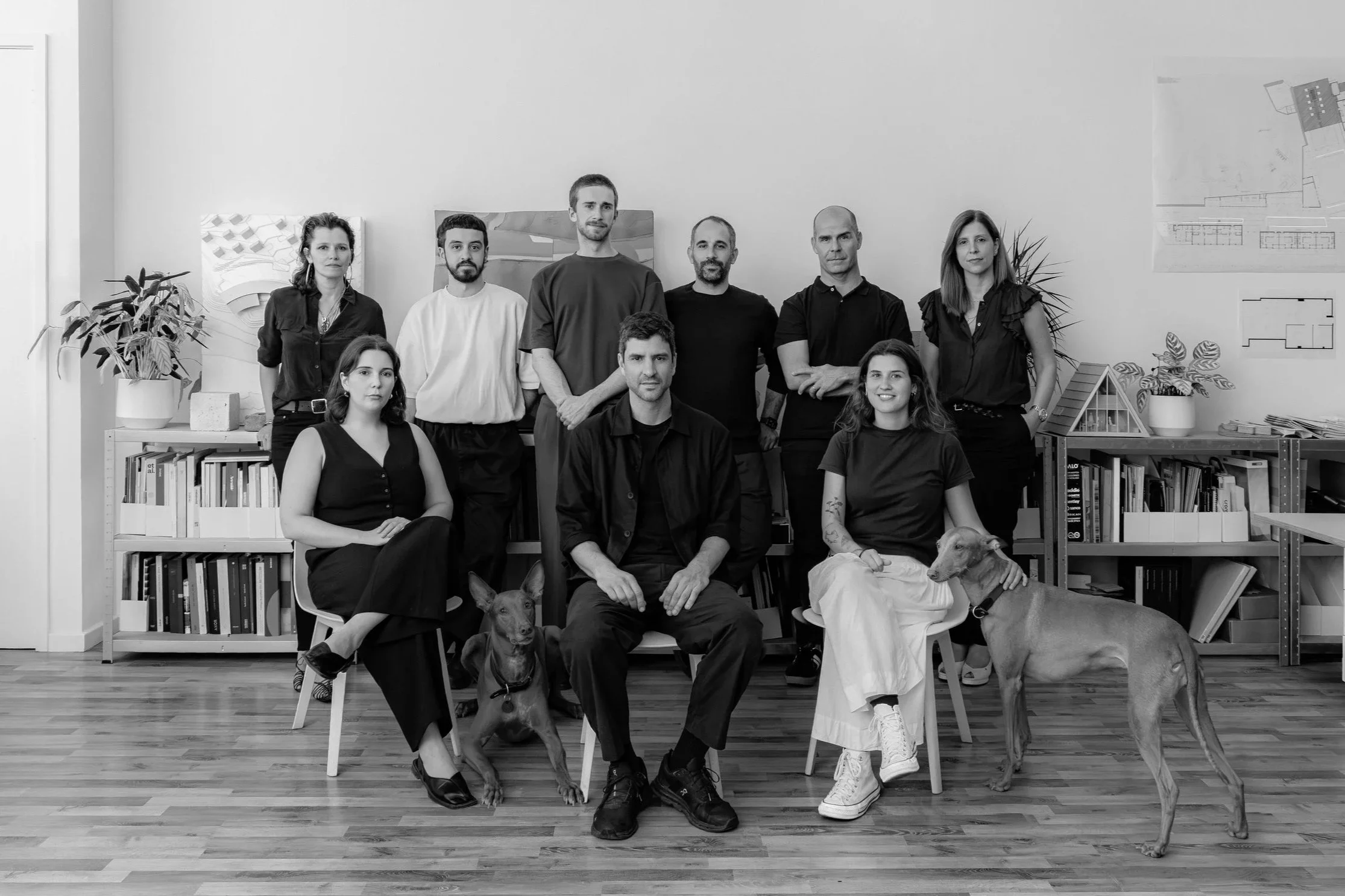
01. PROCESS | The Transformative Act
Design is a transformative process that begins with a personal or collective initiative. As a project evolves, it demands interplay, critical thinking, and the engagement of a multidisciplinary team. We believe that solutions emerge through dialogue and research—ultimately brought to life by the expertise and care required to turn an abstract idea into a built reality.
02. BEAUTY | The Psychosomatic Experience
We believe beauty transcends personal taste; it has a profound psychosomatic effect on the inhabitant. Much like music arises from the balance of sound and silence, architecture finds its voice through the harmony of rhythm, contrast, and structural logic. We design spaces that carry energy or stillness, moving people on an emotional level.
03. LIGHT AND TEXTURE | Anatomy of Perception
There is no perception without the interplay of light and matter. Our spatial experience is defined by the surfaces that surround us, revealed through natural or artificial light. By meticulously selecting textures, colors, and finishes, we curate atmospheres that influence both emotional and cognitive responses.
04. SPATIAL NARRATIVES | Putting Space into Place
Cities and buildings should foster both social connection and personal introspection. We design spaces that offer diverse experiences—from open, sociable areas to quiet, intimate corners—by carefully shaping proportion, light, and geometry. Spatial diversity enriches how we inhabit architecture, offering contrast and variation that engage the senses and support different forms of human activity.
Proportions influence how people move, gather, and feel, while the interplay of light and geometry defines mood and atmosphere. Designed with care, spaces can foster social conviviality—creating opportunities for connection and shared experience—while also supporting inner connectivity through solitude, privacy, and reflection. We believe that thoughtful design can give rise to environments that address both collective and individual needs—spaces that are meaningful, human, and alive.
05. HEALTH AND ACTIVE DESIGN | Building Under The One Health Holistic Approach
Our practice embraces the One Health approach—an integrated vision in which the health of people, animals, and the environment is interconnected. This requires collaboration across disciplines and communities, enabling solutions that address root causes and generate long-term impact. We also apply active design strategies that promote physical movement, and inclusive access, contributing to both public health and environmental sustainability. A diverse, active, healthy population and a sustainable planet are synergistic.
06. BIOPHILIA | Nature as Architecture’s Informer
Biophilia—the innate human affinity for nature—brings wide-ranging benefits to physical and mental well-being. In architecture, biophilic design strengthens our connection to natural elements, enhancing mood, reducing stress, boosting cognitive function, and supporting recovery. These principles help us create environments that are not only healthier but also more productive, restorative, and connected to life.
07. ENVIRONMENTAL SUSTAINABILITY | Not an Add-on, it is the Foundation of Each Gesture
Sustainability is not a layer added after design—it must be embedded into the foundation of every decision. True sustainability begins in the design and building process, shaping everything from site strategy to material choice and construction methods. Because the construction sector accounts for roughly a third of global CO₂ emissions, we continuously research and prioritize carbon-neutral or carbon-negative approaches in both structural systems and finishes, seeking to minimize environmental impact and contribute positively to the planet.
08. MATERIALS | The Finity of Permanence
Recognizing that permanence is always relative, we favor materials with low environmental impact across their life cycle. We prioritize those that can be reused, recycled, or naturally reabsorbed. Locally sourced materials reduce transport emissions, while natural materials are not only healthier—they are more seamlessly reintegrated into ecological systems.”
09. ENERGY AND WATER EFFICIENCY | Buildings That Work With Natural Class
We design buildings that work with nature, not against it. Passive strategies—such as solar orientation, cross ventilation, thermal mass, shading, and rainwater harvesting—help minimize energy and water consumption. We believe in systems thinking, where every element of a building contributes to a sustainable, self-regulating whole.
10. TECHNOLOGY AND CRAFTSMANSHIP | Mastering the Machine
In a time of fast technological evolution—with AI reshaping design and construction— we see an opportunity to reimagine the act of building. We seek methods that are safer, cleaner, more inclusive and human-centered. At the same time, we value traditional craftsmanship and local building cultures. We combine artisanal knowledge with advanced technologies, to create architecture that is grounded in its place, yet open to the world.
TEAM
-
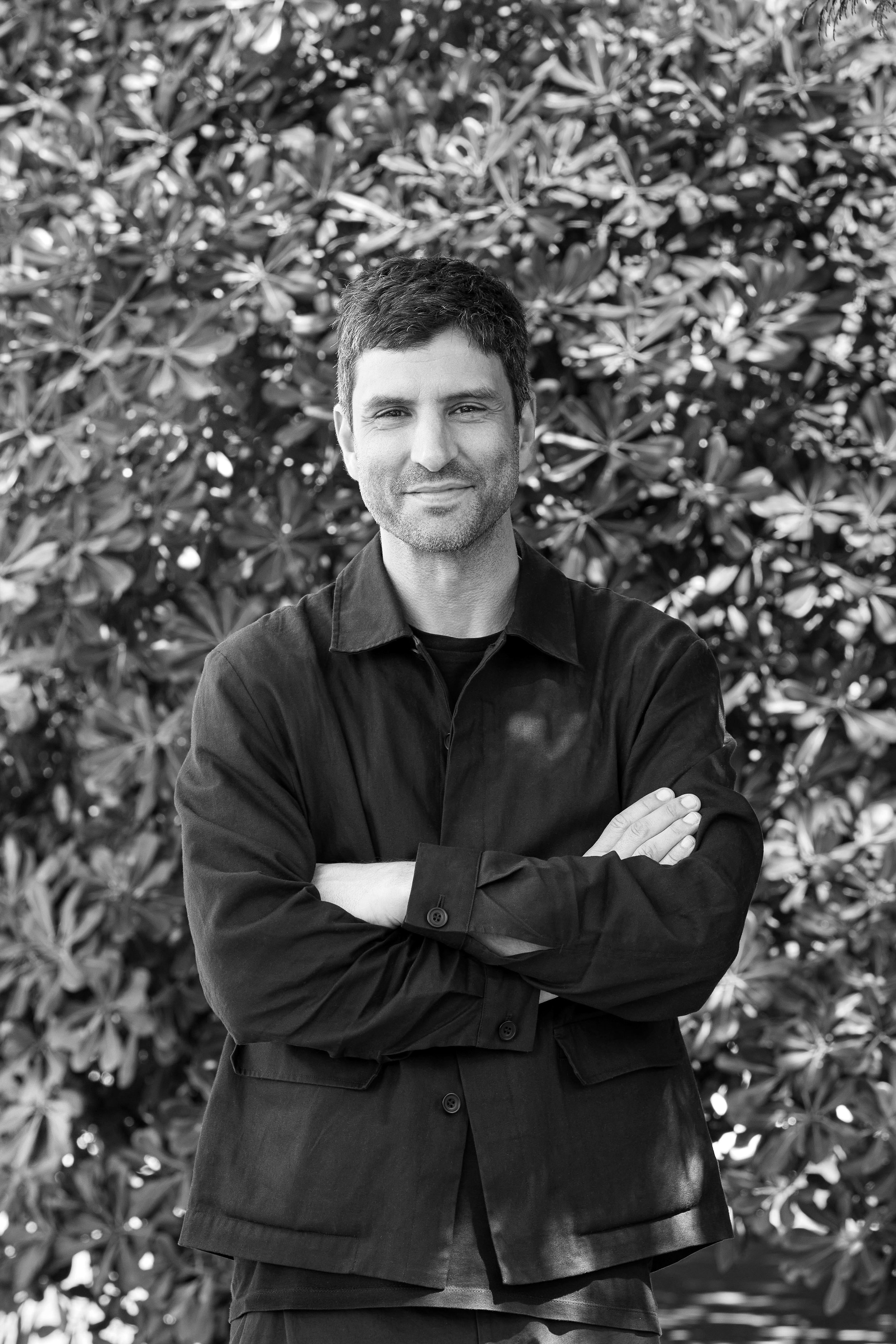
Sérgio Rebelo
Founder · Architect
Sérgio Rebelo is the founder of ASR. He graduated in Architecture at the University of Porto in Portugal and at the École Polytechnique Fédérale de Lausanne, Switzerland. Before launching his studio in Porto-Portugal in early 2018, he was the Design director at FR-EE of Fernando Romero in New York. In 2010, he was a thesis reviewer at the Columbia University Graduate School of Architecture, Preservation and Planning (GSAPP). He treasures analytic processes and experimentation in different fields of Design.
-
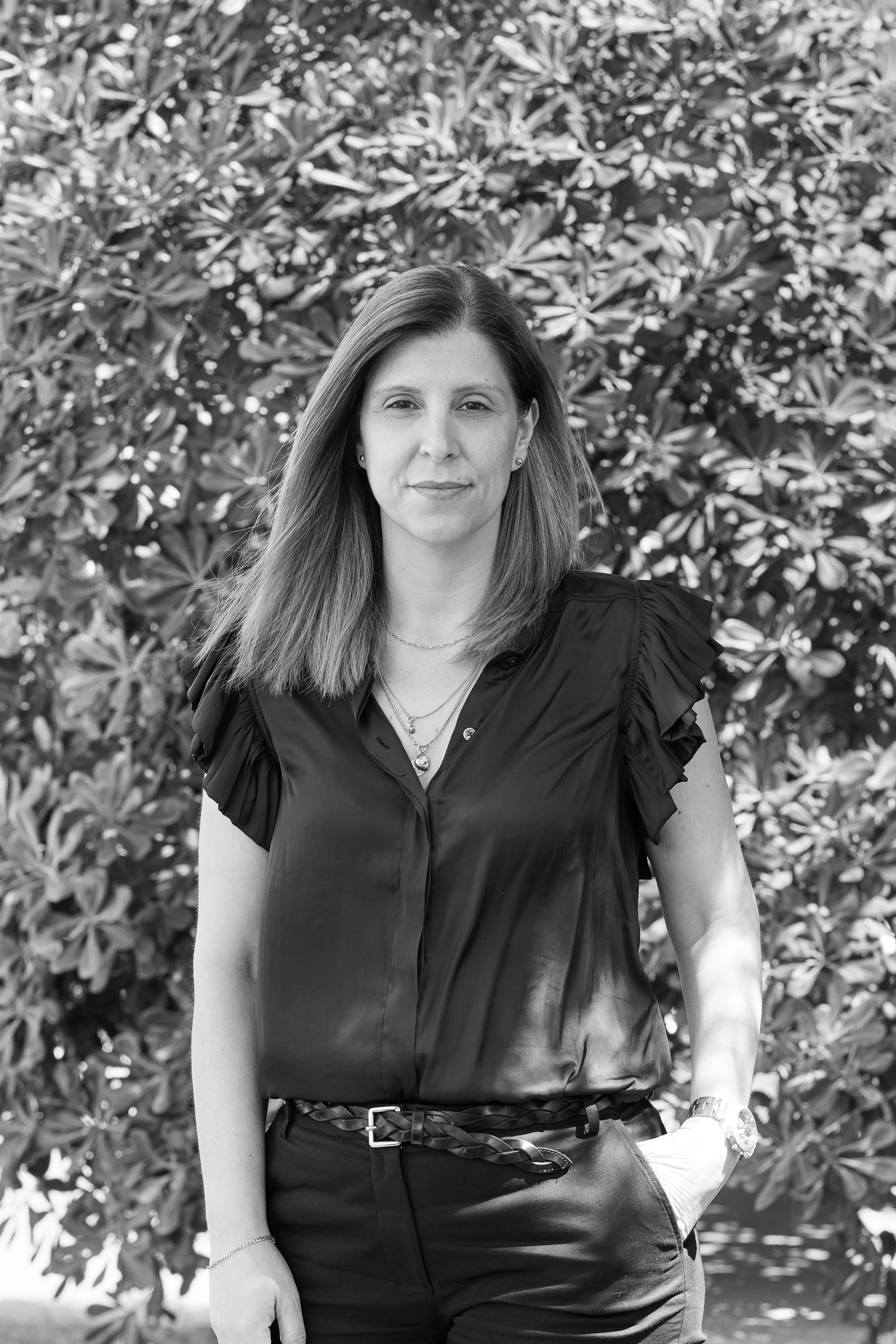
La-Salete Carvalho
Associate · Manager
La-Salete Carvalho is the finance and operations director at ASR. Graduated in Marketing in 2000, she developed a career in dealing with international markets and an extensive experience as a head of human and financial resources. La-Salete integrates ASR in full time since 2019.
-
Dora Carvalhas
Head of Communication
After graduating in Communication Sciences in 2001 with a major in Journalism, Dora has worked in various contexts, from small independent projects to large-scale, business-oriented companies. Since moving to Copenhagen in 2020, she has specialized in communication applied to architecture and design, working for BIG – Bjarke Ingels Group and GUBI. She returned to Portugal in 2024, continuing her work in architecture as the Head of Communications at S+A (Saraiva & Associados) before joining the ASR team.
-
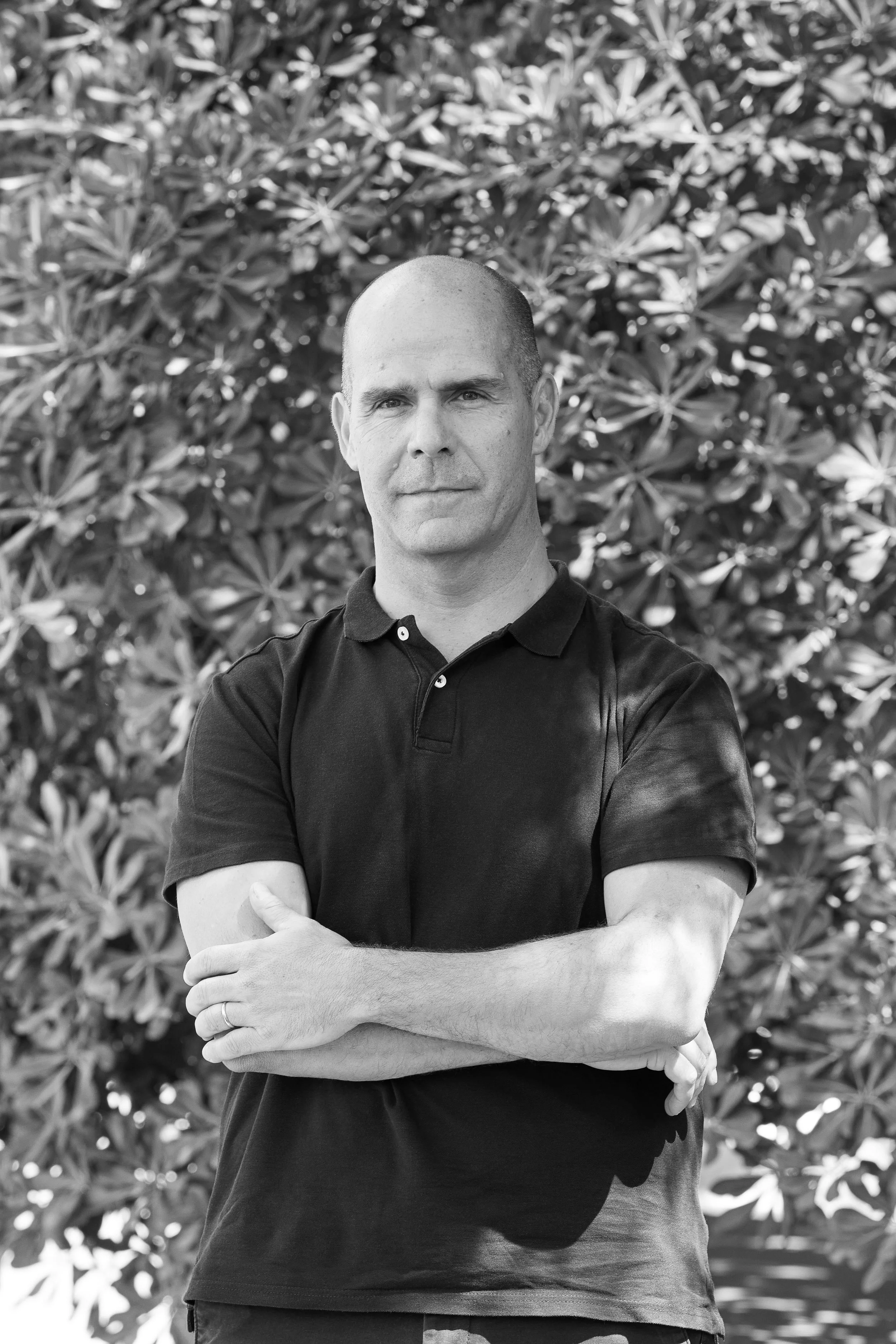
Miguel dos Santos
Architect
Graduated in Architecture from the University of Porto (FAUP) in 1998, he has been professionally active since 1993, with consolidated experience in housing, urban rehabilitation, hospitality, facilities and commercial projects, across different scales and contexts. Alongside professional practice, he has pursued an academic career in Portugal and abroad, teaching Design and Building Construction and holding academic coordination roles. His work is characterised by a rigorous design approach, with a strong focus on construction, rehabilitation and the
relationship between architecture and the urban context. -
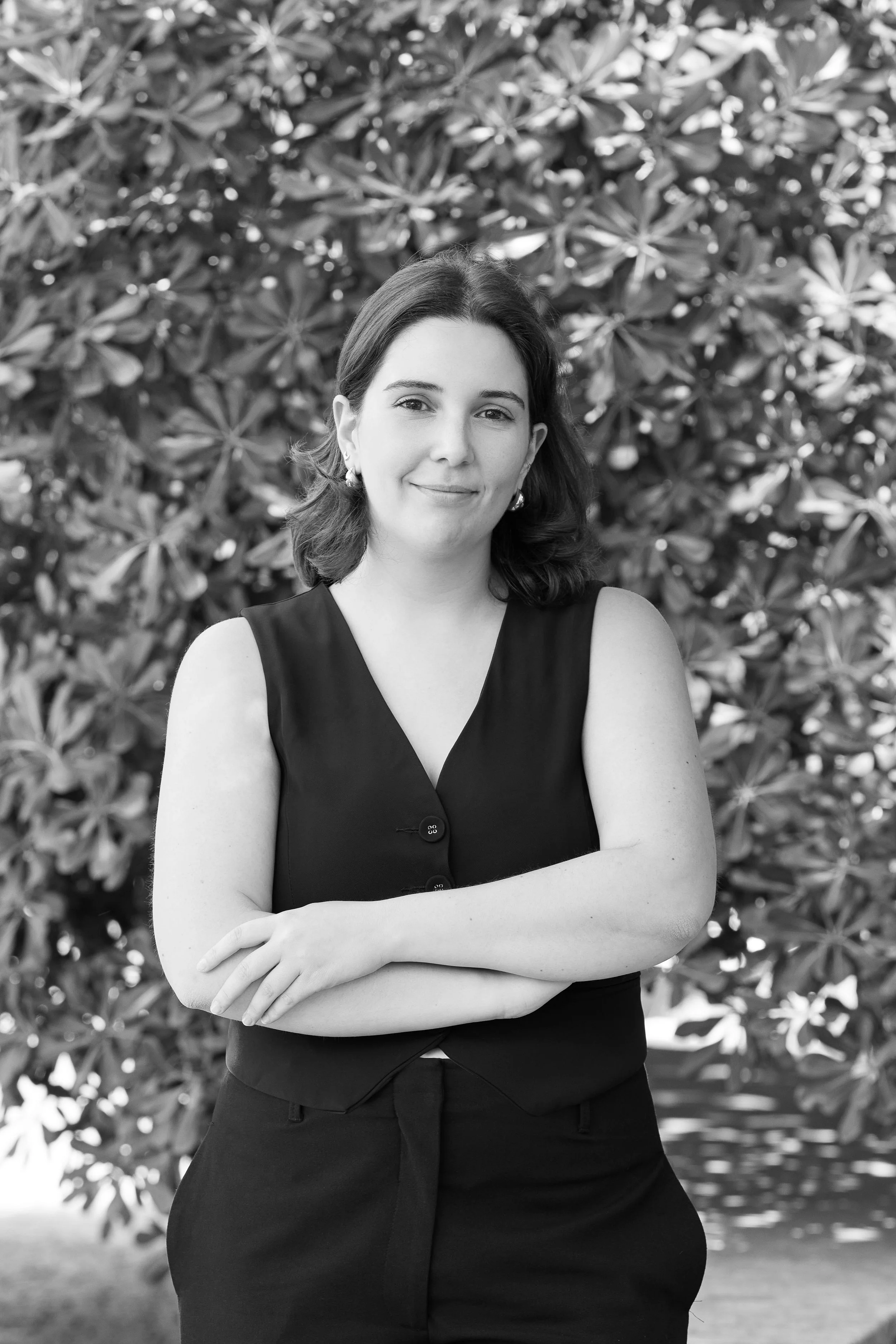
Maria Pinto
Architect
Maria Manuel Pinto received her master’s degree in architecture from the University of Porto (FAUP), Portugal, and Universitá degli Studi di Firenze, Italy. Prior to Atelier Sérgio Rebelo, Maria interned in Edmundo*, where she participated in projects like Casa do Cidral and Edifício Bento Freitas. She has also volunteered in Landing.space between 2022 and 2024, and in Open House Porto since 2018. Joining the ASR team in 2024, she has been collaborating in projects both in Portugal and abroad.
-
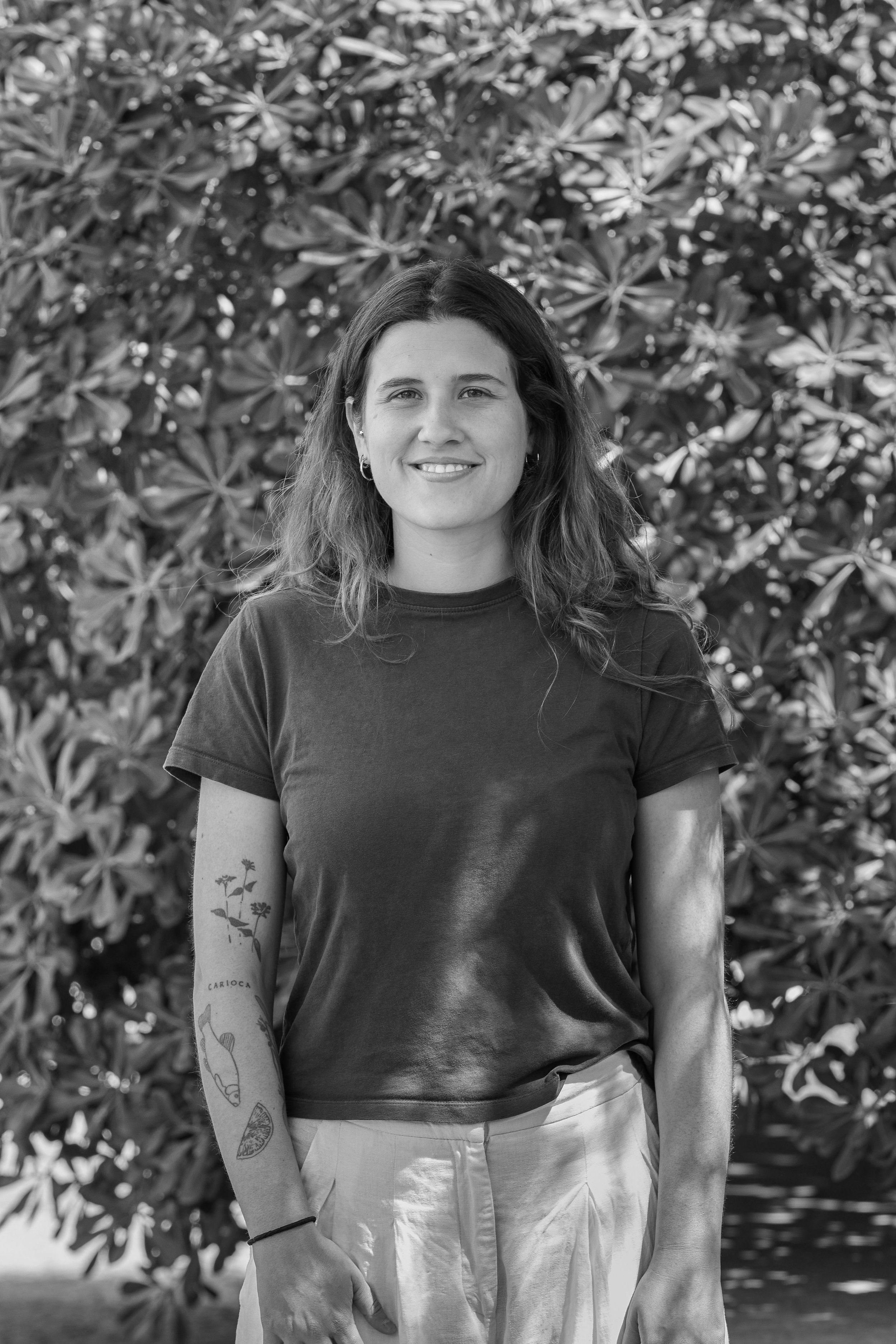
Giulia Campos
Architect
Giulia Campos holds a master’s degree in architecture from the University of Coimbra (UC). In 2022, she did a summer internship at Orange Arquitectura in Coimbra, contributing to the MUN.03 contest in Freamunde, Paços de Ferreira. That same year, she volunteered with Casa a Dentro, an initiative based in Coimbra. In 2024, she joined Alessandro Pepe Architects in Porto, where she worked on projects such as the CMRM House and the Richard Driehaus Contest.ui
-
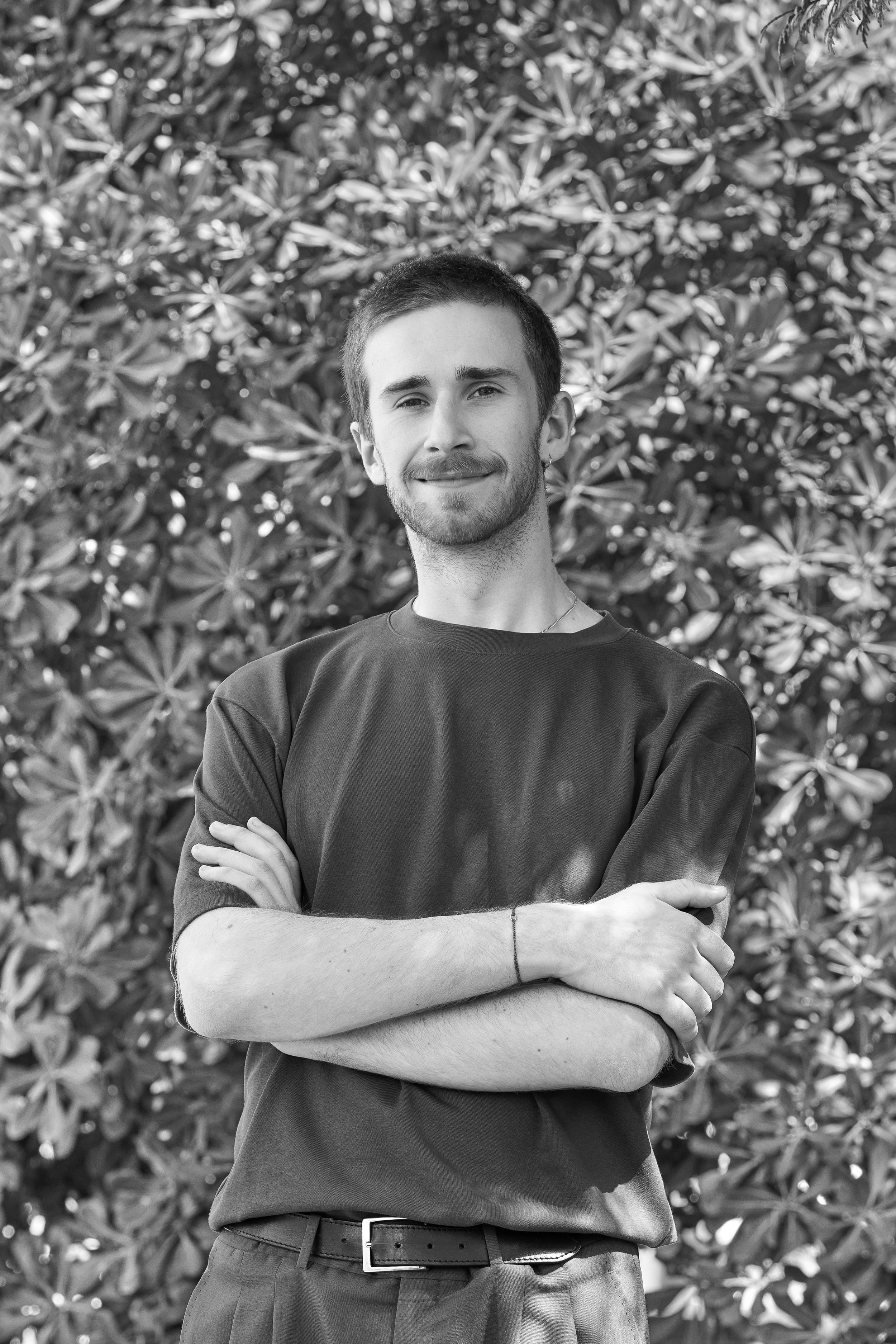
Jules d'Amonville
Architect · Engineer
Jules d’Amonville received his dual master’s degrees in architecture and building engineering from the École Spéciale d’Architecture (ESA) and the École Spéciale des Travaux Publics (ESTP) in Paris, France. His academic research focused on the regeneration of cultural heritage in rural contexts and its role in supporting local communities. He then worked at PLENDI in collaboration with Studio Liaigre on high-end design, restauration, and construction supervision, before joining ASR in 2025.
-
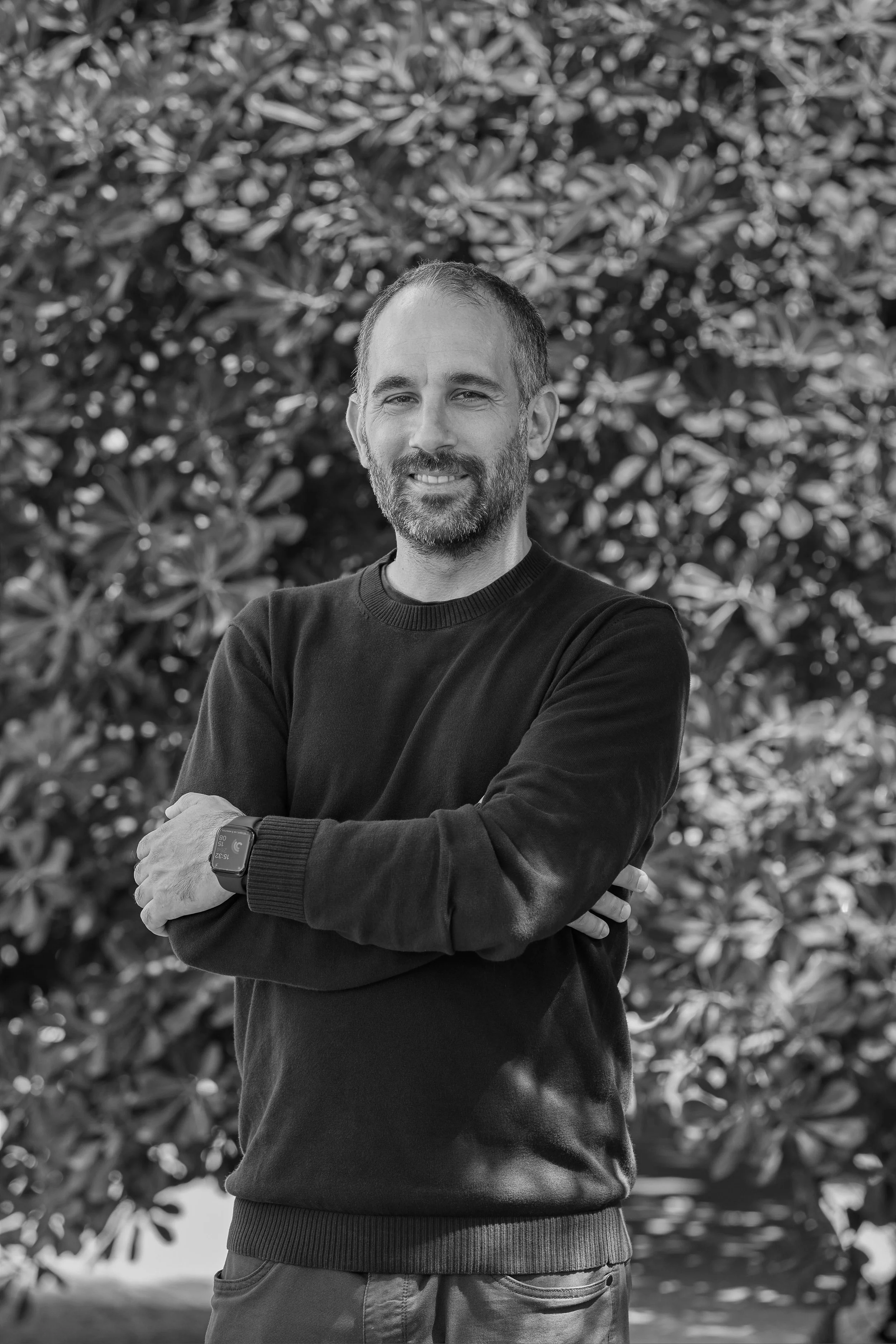
Rafael Sousa
Architect
With over 15 years of experience across residential, fit-out, commercial, industrial, hospitality, and transportation projects in Portugal, Angola, Qatar, and Cabo Verde, Rafael has worked within both local practices and large international multidisciplinary teams. From 2016 to 2019, he worked with Arcadis on the Doha Metro project, contributing to the Red and Gold Lines as a BIM Architect. BIM and digital coordination have since become a central part of his practice, complemented by architectural design development, technical documentation, and multidisciplinary coordination.
-
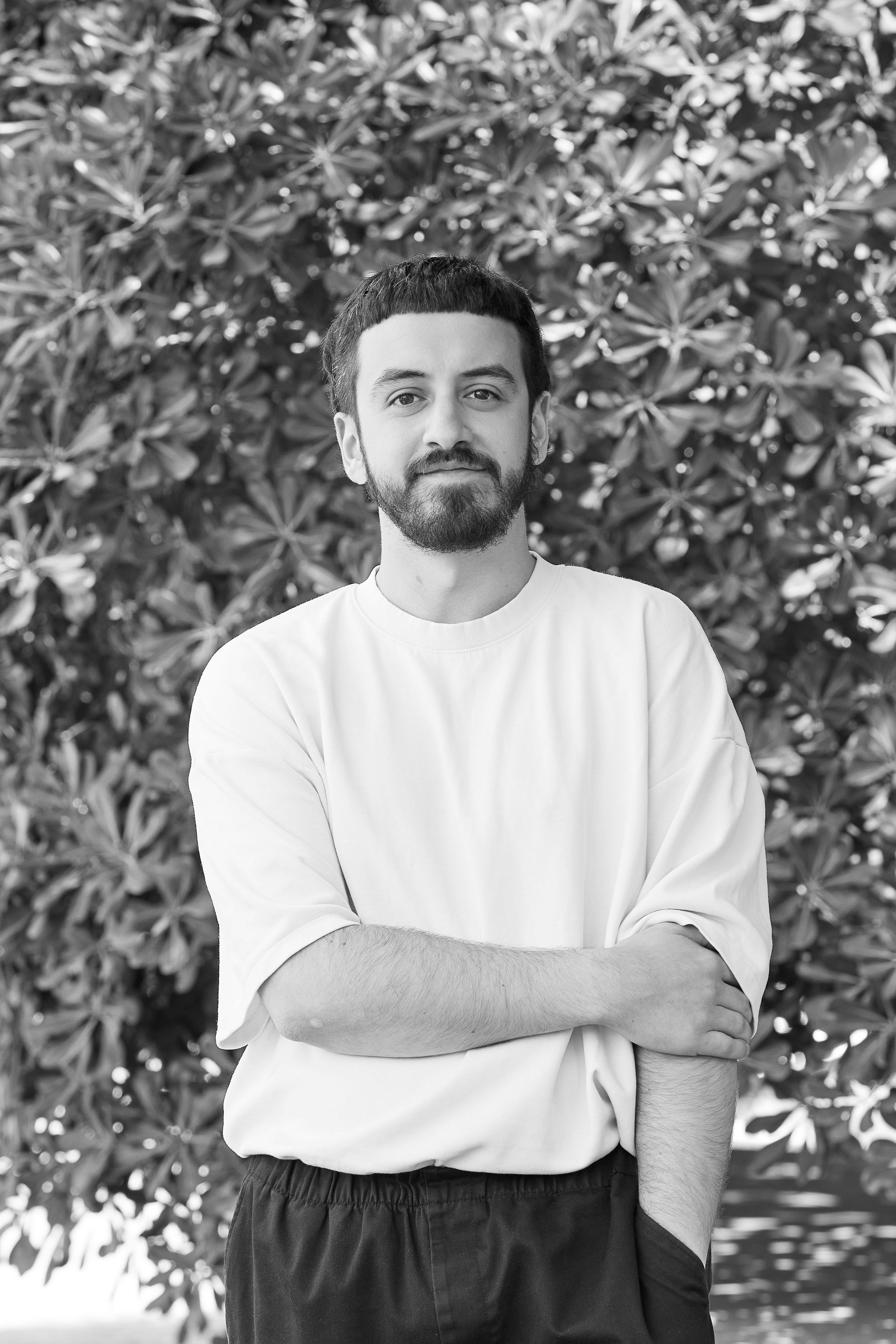
Miguel Ferreira
Architect
Miguel completed his master’s in architecture at the University of Porto (FAUP) and Tampere University of Technology in 2022. His work focuses on participatory and community-driven projects centered on social and economic sustainability, which was also the subject of his thesis on Porto's Centro Comercial STOP. Active professionally since 2023, Miguel worked with various architecture studios on mostly residential projects before joining the Atelier’s team in 2026.
-
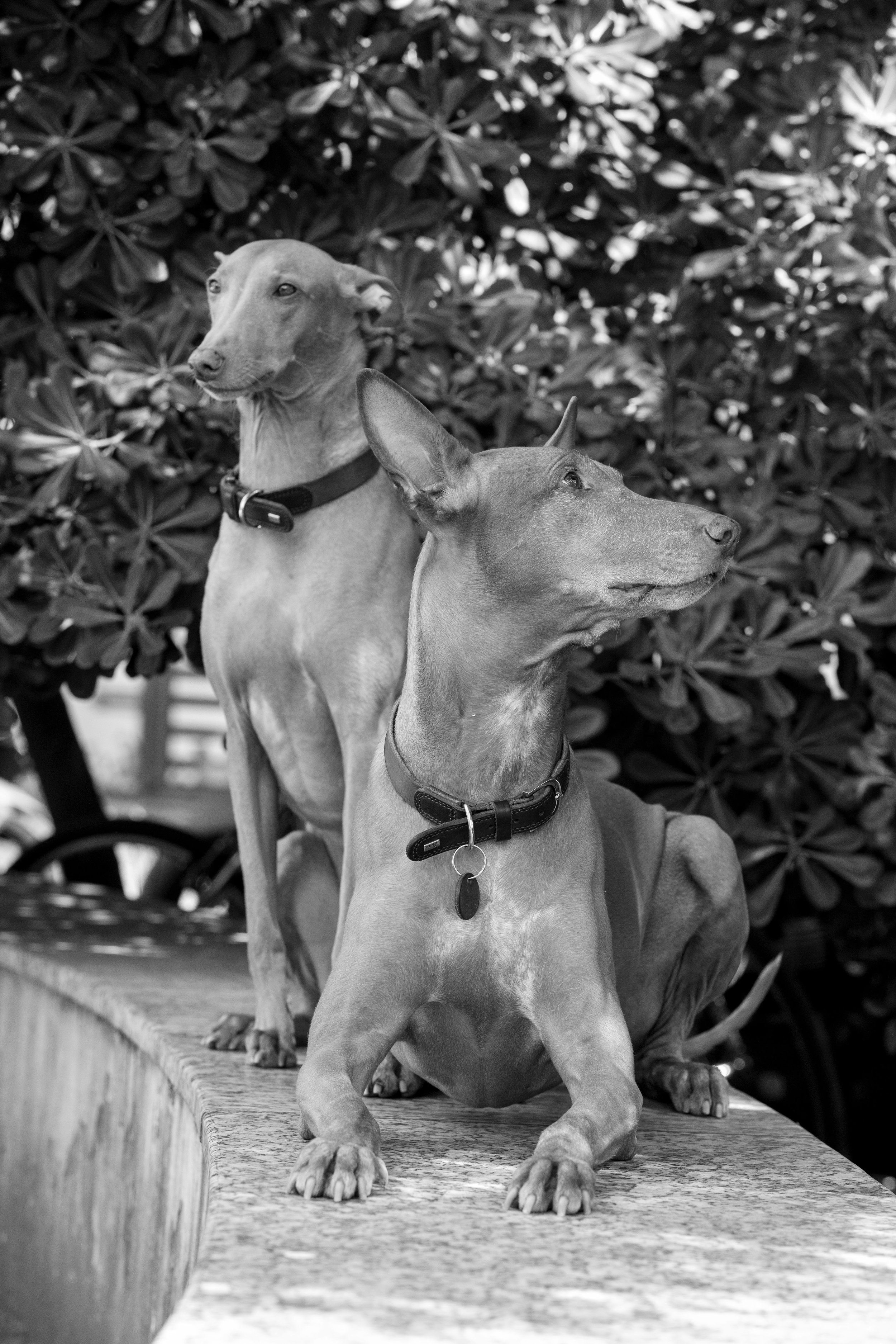
Nico & Iggy
Our lovely Pharaoh Hounds specialized in digging ideas.